

 See My Latest Article on HelloNation
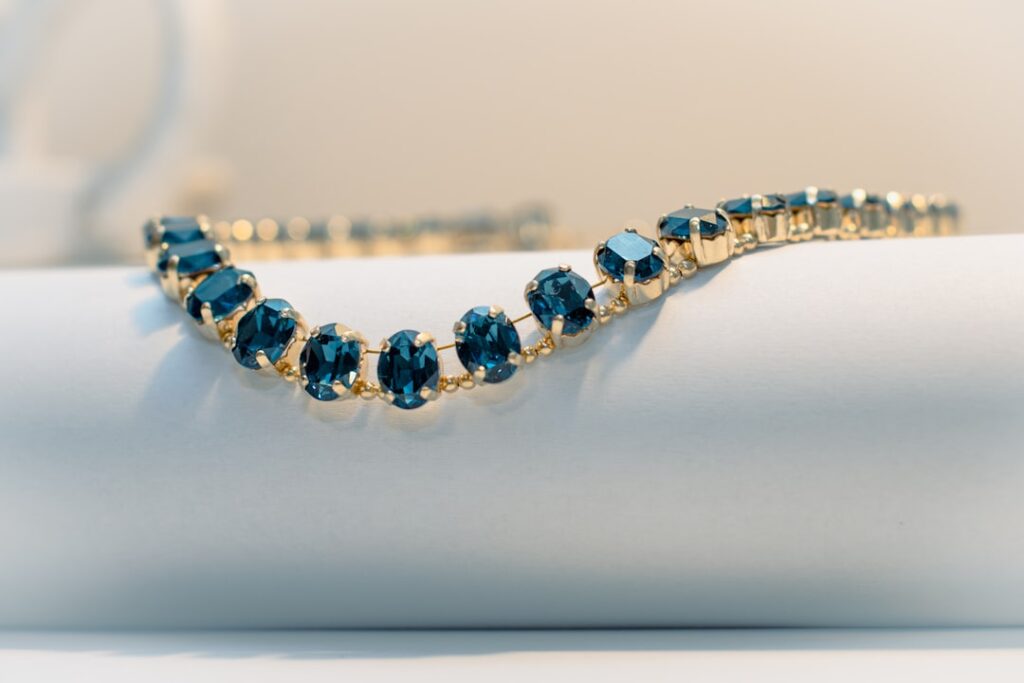
What Is a Birthstone, and Where Did the Tradition Begin?
Birthstones are gemstones traditionally associated with each month of the year, believed to carry special significance for individuals born during that time. The tradition of birthstones has roots in ancient customs and continues to hold cultural meaning today.
The earliest mentions of stones linked to time periods can be traced back to biblical times. Historians often cite the Breastplate of Aaron, described in the Book of Exodus, as one of the first instances where twelve precious stones symbolized the twelve tribes of Israel. Over centuries, this idea evolved, leading to the modern association of specific gems with birth months.
Why Do People Wear Birthstones?
Wearing a birthstone is thought to bring good luck, protection, or personal significance to the wearer. Many people also see birthstones as a way to celebrate one’s identity or honor a loved one’s birth month.
Local residents in Millsboro might choose birthstone jewelry as thoughtful gifts, meaningful keepsakes, or as family heirlooms passed down through generations. The practice is especially common for marking birthdays, anniversaries, or the birth of a child.
How Are Birthstones Chosen for Each Month?
The stones most people recognize today are part of a standardized list established in 1912 by the American National Retail Jewelers Association (now Jewelers of America). This list was created to unify earlier European traditions and make birthstones easier to identify.
However, many months have more than one traditional gem associated with them:
- Modern stones are those most commonly used now.
- Traditional or ancient stones sometimes differ based on earlier cultural or religious practices.
For example, June lists both pearl and alexandrite as options, allowing flexibility in choosing a meaningful gem. Some families in the area incorporate both modern and historical stones into family jewelry to represent heritage and individuality.
Do Birthstones Have Special Meanings or Beliefs?
Yes, many people attribute specific qualities, virtues, or powers to different gems. These symbolic meanings often mingle folklore, cultural beliefs, and historical interpretation:
- Garnet (January) is said to represent protection and strength.
- Emerald (May) is linked to rebirth and love.
- Sapphire (September) is thought to symbolize wisdom and loyalty.
While there is no scientific proof that birthstones carry magical properties, many in Millsboro and beyond enjoy the sense of connection these gems provide—whether marking a milestone or celebrating family ties.
Are Birthstones the Same Around the World?
Not exactly. The birthstone list familiar in the United States does not always match traditions in other countries or communities. For example:
- In some cultures, the assignment of stones to months is based on zodiac signs, which may fall across two calendar months.
- Historical and regional beliefs may differ—for instance, turquoise features as December’s stone in some lists, while other regions favor tanzanite or zircon.
Residents seeking to honor cultural traditions or family heritage often choose stones based on both the global and local context, blending ancestral customs with modern preferences.
How Do Millsboro Area Residents Use Birthstones in Everyday Life?
Birthstone jewelry is popular in both everyday and special-occasion wear. Many local households opt for subtle, practical designs such as:

- Stud earrings with an individual’s gem
- Stacked rings featuring the stones of each family member
- Custom pendants for new parents, with stones for each child’s birth month
Millsboro’s climate encourages choices suited for active, outdoor lifestyles and gatherings—birthstone pieces set in durable metals or secure settings help protect softer gems like opal or pearl, which can be more easily scratched.
Are There Practical Considerations When Choosing Birthstone Jewelry?
Yes. Some stones are harder or more resilient than others. For instance:
- Diamonds, sapphires, and rubies are very durable—suitable for rings and daily wear.
- Opal, pearl, and turquoise are softer and benefit from extra care or protective settings.
Area households often consider ease of cleaning, setting durability, and comfort for regular wear, especially in a region where outdoor activities and hands-on work are common. Proper care helps birthstone pieces retain their significance for years to come.
Common Misconceptions About Birthstones
Some people believe that only one specific stone is “correct” for each month, but the list has changed over time. Families are free to choose stones that feel most meaningful or practical.
Another misconception is that birthstones must be worn only by individuals born in each gem’s month. In reality:
- Many people select gems based on personal preference, style, or family representation—not just birth month.
- Combinations of stones, such as those in mother’s rings or family bracelets, can honor multiple generations or relationships.
Birthstones remain a flexible tradition in the Millsboro community, adapted to personal stories and evolving with new styles and values.