

 See My Latest Article on HelloNation
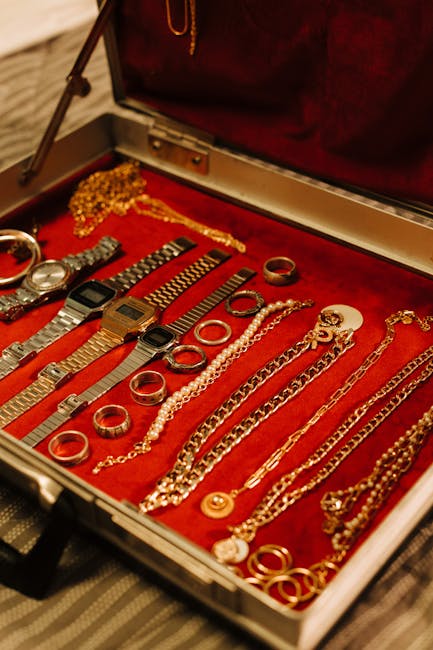
Why Proper Jewelry Storage Matters in Millsboro, DE
Jewelry that is properly stored retains its condition and value over time. In the Millsboro area, where humidity and seasonal temperature changes are common, how jewelry is kept between wears can significantly influence its appearance and longevity. Improper storage not only increases the risk of scratches and tarnish but also makes pieces more vulnerable to loss or theft.
What Environmental Factors Should Millsboro Residents Consider?
Millsboro’s climate brings muggy summers and generally mild winters, which creates a mix of humidity and temperature fluctuations in many homes. These conditions can accelerate metal tarnish and weaken settings if jewelry is left exposed.
- High humidity fosters oxidation, causing silver to tarnish and even gold to lose luster.
- Temperature changes, especially from heating or air conditioning, can affect gemstone settings and loosen prongs.
- Dust and salt air (for households closer to bodies of water) may increase the risk of buildup on delicate pieces.
For these reasons, jewelry is best stored in a space where temperature and humidity stay as consistent as possible and away from direct airflow from vents and windows.
How Can You Organize Jewelry to Prevent Damage?
Start by grouping similar items separately to avoid contact between hard and soft gems, metals, and materials. Pieces like diamonds and sapphires can scratch softer stones or even gold if kept together.
- Use fabric-lined boxes, jewelry rolls, or individual pouches for each piece.
- Store necklaces hanging or lying flat to prevent tangling and stretching.
- Rings and earrings can be placed in padded compartments or small cloth bags.
- Avoid plastic bags unless they are specifically designed for long-term jewelry storage, as they can trap moisture.
Separating items in this way is a key step to preserving fine finishes and avoiding preventable wear.
What Storage Containers Are Suitable for Jewelry in Area Households?
A variety of home storage options can help safeguard valuable pieces. The choice depends on how often pieces are worn and the available space in local homes.
- Solid, lockable jewelry boxes with soft, non-abrasive linings
- Drawers outfitted with specialty organizers or shallow trays
- Wall-mounted cabinets placed in discreet locations
- Travel cases or rolls for frequently worn or rotated selections
In Millsboro, where detached and semi-detached homes are common, residents may choose secure, out-of-sight locations such as a bedroom closet or a discreet dresser drawer. Those in apartments or shared dwellings may prefer compact, lockable boxes that can be more easily hidden.
How Does Humidity Affect Precious Metals and Gems?
Humidity is a particular concern for jewelry owners in the city. High moisture in the air can cause certain metals to tarnish or corrode while also affecting porous gemstones.
- Silver is especially prone to darkening unless kept dry and occasionally polished.
- Pearls, opals, and other soft or organic stones should never be stored in overly dry or airtight settings but also need protection from sustained humidity.
- Gold is resistant but not immune to oxidation; low-karat gold alloys can change color if kept in damp environments.
To minimize humidity:
- Add silica gel packets or anti-tarnish strips to storage containers.
- Keep jewelry away from bathrooms or windows prone to condensation.
- Store expensive or sentimental pieces in drier, temperature-stable spaces, such as a main bedroom rather than a humid attic or basement.
What About Security and Theft Prevention?
Beyond protection from physical wear, safeguarding jewelry also means taking reasonable steps against theft, especially during travel or extended absences.
- Store high-value items in a secure, hidden safe if available.
- Disguise jewelry containers within unremarkable household items.
- Consider occasional rotation of storage locations for especially valuable or heirloom pieces.
- When traveling out of the area, leave non-essential jewelry in a locked, well-hidden container at home rather than keeping it onsuite or in luggage.
Millsboro residents benefit from generally low crime rates, but break-ins and theft do still occur, especially in easy-to-access areas or visible containers.
How Frequently Should Jewelry Be Inspected or Cleaned?
Jewelry that is rarely worn is prone to buildup of dust, skin oils, or mild tarnish, all of which can accelerate if stored improperly. Make it a habit to check even stored jewelry at least a few times a year.
- Wipe each piece with a soft cloth before storing to remove surface oils and dirt.
- Inspect clasps, prongs, and chains for damage that might worsen if left unaddressed.
- Gently clean pieces at home using appropriate methods for the metal and gemstones—never soaking porous stones or delicate antique pieces in water.
Regular attention reduces the risk of discovering damage or excessive tarnish months or years after storage.
Are There Common Storage Mistakes to Watch For?
Some practices can shorten the lifespan of fine jewelry even if they seem harmless.
- Leaving jewelry on a nightstand or bathroom counter increases exposure to dust, cleansers, and humidity.
- Storing multiple pieces together invites scratches and chain tangles.
- Using generic hardware store safes (not designed for jewelry) may lead to humidity problems or rough surfaces that scratch metal.
- Forgetting about occasionally worn or inherited pieces can mean unnoticed damage if storage conditions aren’t checked periodically.
Awareness of these missteps helps area households maintain their jewelry’s beauty and security over the long term.