
 See My Latest Article on HelloNation

Why Insure Fine Jewelry?
Jewelry holds both financial and sentimental value, making insurance a wise step for many households in Millsboro, DE. Beyond loss or theft, policies can protect against damage from storms or accidents—risks especially relevant with local humidity, seasonal storms, and active indoor-outdoor lifestyles.
What Types of Jewelry Are Usually Insurable?
Most fine jewelry, such as wedding rings, family heirlooms, high-value watches, and designer pieces, can be covered. In general:
- Pieces made of gold, platinum, or silver
- Jewelry with diamonds, sapphires, emeralds, or other precious gems
- Unique, custom, or antique items assessed at higher value
Appraisal documentation improves the process for rare or very valuable items.
Does Homeowners Insurance Cover Jewelry?
Standard policies often include only limited coverage for jewelry. Typically, homeowners or renters insurance will cover theft or loss up to a set dollar amount—often much lower than a single valuable piece might be worth.
For example, a policy may only cover $1,000 to $2,500 total for jewelry per claim, regardless of actual value. Water damage and accidental loss are sometimes excluded unless specifically added.
What Is a Jewelry Insurance “Rider” or “Floater”?
A floater (or rider) is an optional addition to an existing insurance policy that extends coverage for specific valuable items, including jewelry.
- Provides higher coverage amounts—enough to cover replacement or repair of unique pieces
- Typically covers a broader range of risks, such as loss, mysterious disappearance, and some accidental damage
Adding a floater usually requires itemized appraisals and clear records.
How Does the Appraisal Process Work Locally?
Getting jewelry appraised is a required step before purchasing full-coverage insurance for valuable pieces. An appraisal assigns an official value, taking material, craftsmanship, age, provenance, and market conditions into account.
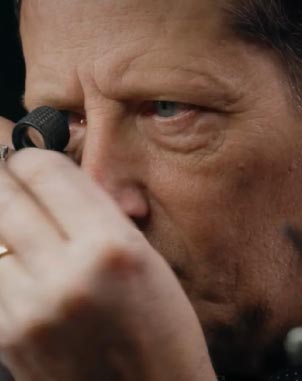
In Millsboro, local jewelers or independent certified appraisers typically conduct these assessments. Appraisers may use microscopes, metal tests, and official gem grading to evaluate a piece. A written report is provided, including photos and a replacement value.
What Documents Should Be Saved?
To make claims straightforward, keep the following:
- Official appraisal or valuation certificate
- Original purchase receipts
- Clear color photographs showing details of each insured piece
- Policy documents, including updates after new purchases or appraisals
Consider digital and paper copies stored securely, as these documents are essential after storm damage, burglary, or loss.
Are There Events That Invalidate Jewelry Coverage?
Yes, policies often have exclusions or requirements.
- Failing to update the appraised value, especially if the market shifts
- Not reporting significant changes, such as selling a piece or gifting it to a family member
- Certain types of loss (like unexplained disappearance) if not expressly included in the policy

Examine annual policy updates to ensure jewelry remains protected against new risks.
How Much Does Jewelry Insurance Cost?
Costs depend on the value, type, and number of pieces, as well as the chosen deductible. Local environmental factors, such as flood risk or burglary rates, may also play a role.
In general, premiums range from about 1 to 2% of the insured value per year.
Example: Insuring $10,000 worth of jewelry might cost $100–$200 per year.
What Does a Typical Jewelry Claim Involve?
If a piece goes missing, is damaged, or stolen, residents will generally need to:
- Report theft to local law enforcement (for theft claims)
- Submit a claim form to the insurance company
- Provide appraisal documents and proof of ownership
- Share photos if available
Prompt, detailed reporting and accurate records help prevent claim denials or settlement delays.
Common Misconceptions and Overlooked Considerations
- Jewelry kept in a home safe may still need proper documentation for coverage.
- Standard homeowners insurance rarely covers loss outside the home unless a floater is in place; for example, if a ring is lost at a local park or during travel.
- Regularly updating appraisals helps reflect fluctuating market prices of precious metals and gemstones, which can impact coverage in case of loss.
- Water and storm damage may not always be covered under base policies, even in regions with frequent summer thunderstorms.
Local Context: Why Jewelry Insurance Matters for Area Residents
Millsboro’s seasonal weather—including summer humidity and occasional coastal storms—can lead to conditions where valuables are at risk of water, humidity, or wind damage.
Multigenerational households with family heirlooms and active outdoor lifestyles increase the odds of accidental loss or damage. Given the rural and suburban mix, quick access to appraisal or repair services can vary, making proper documentation especially helpful for claims handled from a distance.