
 See My Latest Article on HelloNation
What Is Fine Jewelry and Why Does It Matter?
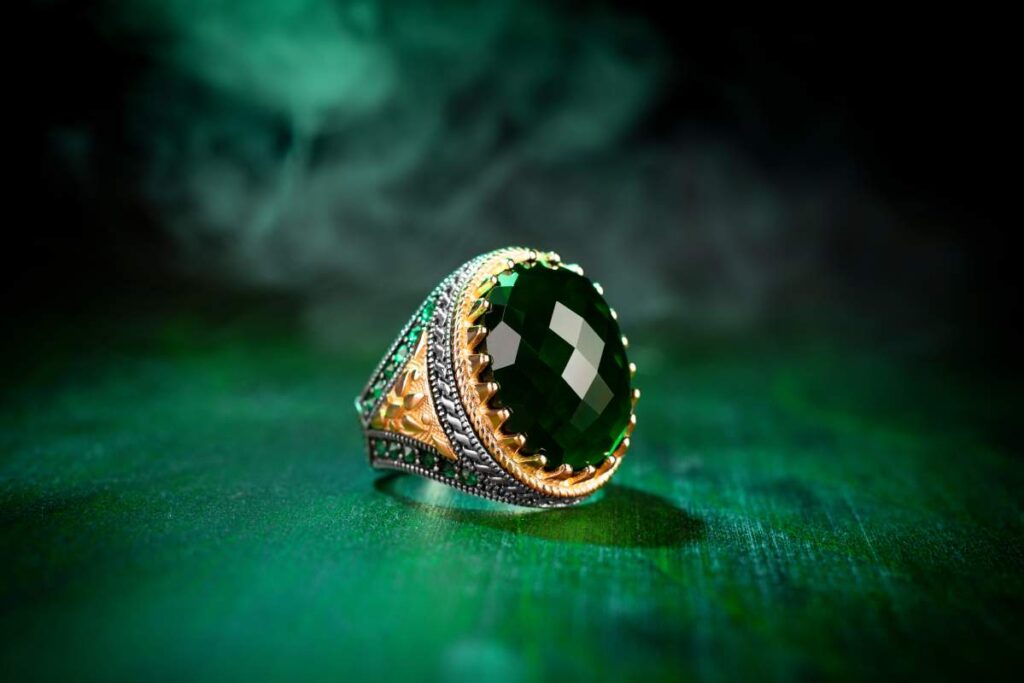
Fine jewelry refers to pieces crafted from precious metals like gold, platinum, or sterling silver, often set with natural gemstones such as diamonds, sapphires, or emeralds. These pieces are known for their durability, intrinsic value, and the potential to last through generations with proper care.
Fine jewelry tends to carry a higher price tag, reflecting the quality of materials and the craftsmanship involved. For households in Millsboro, investing in fine jewelry can be both a personal and financial decision—some opt for heirloom items to pass down, while others choose pieces that suit everyday wear but withstand the region's seasonal humidity and active lifestyles. Unlike other types, fine jewelry rarely tarnishes with standard use and often becomes more meaningful with family history or significant local occasions.
How Is Fashion Jewelry Different?
Fashion jewelry, sometimes called "bridge jewelry," sits between fine and costume options. It typically uses semi-precious stones and metals that are valuable but not considered precious, such as stainless steel, brass, copper, or mixed metal alloys. These pieces may feature stones like topaz, quartz, or manufactured gems that provide the desired look at a more accessible price.
Residents may choose fashion jewelry for versatility or to complement seasonal outfits without committing to the investment of fine jewelry. While not intended to last a lifetime, quality fashion jewelry can outlast costume alternatives and offers creative, trendy designs. Nevertheless, exposure to moisture—common in Millsboro's coastal climate—can still cause tarnishing, making careful storage and occasional cleaning essential.
What Sets Costume Jewelry Apart?
Costume jewelry is designed mainly for decorative purposes, created from inexpensive materials such as plastic, glass, synthetic stones, or plated base metals. While costume items are typically the most affordable, they’re not expected to hold up to years of wear or retain significant resale value.
Local residents might pick up costume jewelry for special events, themed parties, or as a fun way to experiment with bold colors and oversized pieces. Common misconceptions stem from believing that all non-fine jewelry is "cheap"; however, some vintage costume pieces may become collectible over time due to their design or era.
Costume jewelry is especially at risk for discoloration, loss of plating, or skin reactions (like greenish stains), particularly in humid or rainy weather typical of the area.
Which Type Is Right for Daily Life in the City?
Choosing jewelry for everyday use depends on personal needs, sensitivities, and activity level. Fine jewelry withstands frequent wear and fluctuating weather—good for area residents working outdoors, participating in water activities, or seeking hypoallergenic options. Fashion jewelry fits work, travel, or seasonal style refreshes but usually needs more care to avoid tarnishing.
For local events, costume jewelry meets the need for occasional, statement pieces that don’t require a long-term investment. Residents who garden, swim, or engage in hands-on hobbies may prefer keeping fine pieces for special occasions to reduce the risk of damage.
How Can You Tell the Difference in a Practical Way?
Distinguishing one category from another doesn’t always require special tools:
- Fine jewelry feels solid and heavier due to real precious metals and stones. Hallmarks like “14K,” “18K,” “925,” or “PLAT” indicate gold, silver, or platinum content.
- Fashion jewelry often appears in trend-focused collections. It may have a “designer” look without prestige hallmarks and may mix metals or use non-traditional stones.
- Costume jewelry tends to be lightweight, occasionally with uneven plating, painted designs, or glued-in stones. Clasps and findings may show early signs of wear.
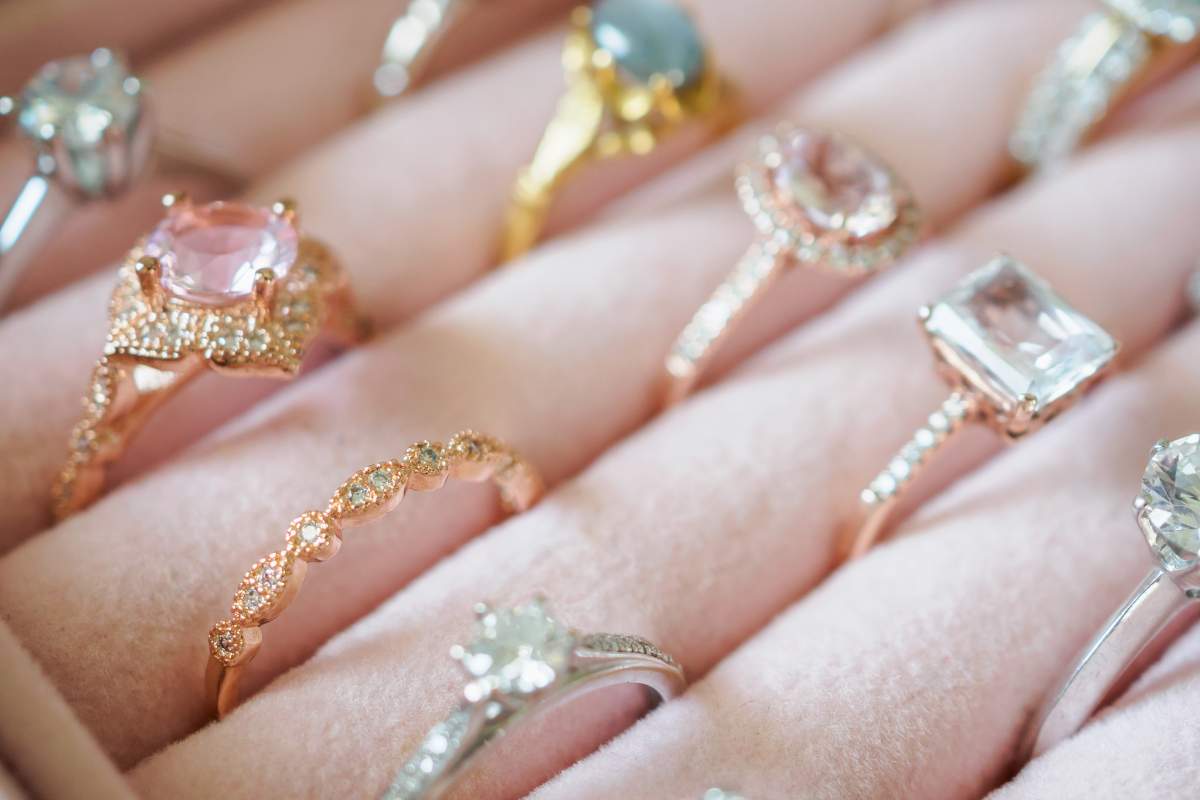
Caring for each type differs. Fine jewelry can be safely cleaned with gentle soap and water, while costume items often require only a dry cloth and minimal contact with water to preserve any plating.
Are There Overlooked Factors That Matter Locally?
In an area like Millsboro with humid summers, proximity to saltwater, and outdoor lifestyles, jewelry care can be affected by the local environment. Storing all jewelry in cool, dry areas and avoiding direct exposure to lotions, sprays, or salt water helps maintain appearance across all types.
For those with sensitive skin, the metal type becomes particularly relevant: nickel and non-precious metal alloys (common in costume jewelry) are more likely to cause irritation in humid conditions, a concern for anyone wearing jewelry during outdoor summer activities in the city. Residents sometimes underestimate the impact of regular sunscreen, bug spray, or pool chemicals on all but the most robust fine jewelry pieces.
Do These Categories Ever Overlap?
Occasionally, newer techniques and mixed-media designs blur the traditional lines. It’s not uncommon to find a piece with a precious metal setting but synthetic stones, or costume items designed to mimic fine jewelry’s style. Some vintage or artisan-made items may carry sentimental or collectible value beyond any official category.
For local collectors or those interested in jewelry as a hobby, understanding these overlaps can offer new ways to appreciate and care for jewelry of all kinds, while making choices that suit lifestyle, climate, and personal values.