
 See My Latest Article on HelloNation
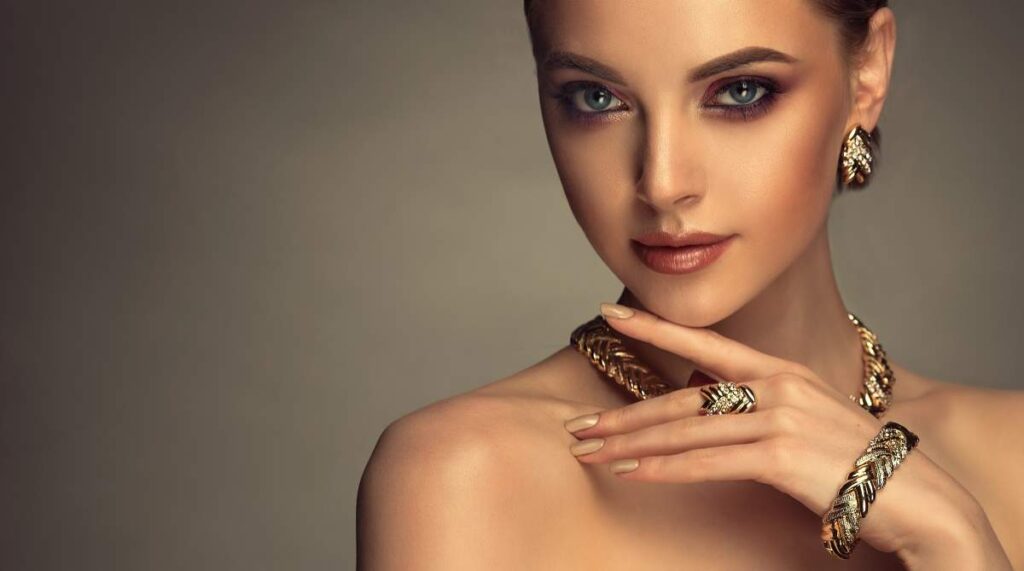
Choosing jewelry that suits an outfit is less about following strict fashion rules and more about balancing color, scale, texture, and occasion. The right pieces should support the clothing rather than compete with it, while still reflecting personal style.
For residents of Millsboro, DE, clothing choices often shift with humid summers, mild transitional seasons, outdoor activities, workplace settings, and casual community gatherings. Jewelry that works well in one situation may feel impractical or visually heavy in another.
How should jewelry match the color of an outfit?
Jewelry does not have to match clothing exactly. It usually looks more intentional when it complements the outfit through related tones, contrast, or repeated details.
Warm-colored clothing such as cream, camel, rust, olive, mustard, and brown often pairs naturally with yellow gold, rose gold, amber-colored stones, and warm-toned pearls. Cooler colors such as navy, gray, icy blue, lavender, and emerald can work well with white metals, silver-toned jewelry, diamonds, and cool-colored gemstones.
Neutral clothing provides more flexibility. A black, white, beige, or gray outfit can support either warm or cool metals, depending on the overall effect desired.
Useful color approaches include:
- Matching: Pairing a blue stone with a blue garment creates a coordinated appearance.
- Complementing: Using jewelry in a contrasting but harmonious color adds interest.
- Repeating: Echoing a small color from shoes, a handbag, a belt, or a pattern can make the outfit feel connected.
- Balancing: Choosing simple jewelry when the clothing already includes several strong colors prevents visual overload.
The most reliable approach is to identify one or two dominant colors in the outfit and choose jewelry that supports them without copying every shade.
Should jewelry match the neckline?
Yes. The neckline is one of the clearest guides for choosing a necklace. The goal is to keep the necklace from competing with the shape of the clothing.
A few practical pairings are:
- Crew necks: Short necklaces, pendants, or a longer chain can work, depending on the thickness of the fabric.
- V-necks: Pendants that follow the V shape tend to look balanced.
- Scoop necks: Rounded necklaces, layered chains, or a medium-length pendant usually fit the open curve.
- Button-down shirts: A small pendant, a short chain, or no necklace can keep the collar area neat.
- Turtlenecks: Longer pendants and substantial chains are often easier to see.
- Strapless or open necklines: A necklace can frame the neckline, while earrings alone may create a cleaner look.
A necklace should not disappear into a busy neckline or sit awkwardly across a collar. If the top already has ruffles, embroidery, sequins, or a prominent print, earrings or a bracelet may provide better balance.
How do you choose jewelry for patterned clothing?
Patterned clothing generally calls for simpler jewelry. A small, repeated shape from the pattern can guide the jewelry choice without requiring an exact match.
For example, a floral blouse may pair well with rounded earrings, while geometric clothing can support clean lines and angular designs. Jewelry with a single metal color is often easier to coordinate with stripes, checks, animal prints, or multicolored fabrics.
Avoid adding several large statement pieces to clothing that already has:
- Large-scale prints
- Heavy embellishment
- Noticeable ruffles or fringe
- Metallic fabric
- Multiple competing colors
A bold ring or pair of earrings can still work with a patterned outfit, but the remaining jewelry should usually be restrained.
When is it appropriate to mix metals?
Mixing gold, silver, and other metal tones is acceptable and can make an outfit feel more modern and personal. The combination looks most deliberate when at least one element connects the different pieces.
Ways to create cohesion include:
- Wearing a two-tone piece that includes both metal colors
- Repeating the mixed-metal combination in more than one area
- Keeping the jewelry shapes or finishes similar
- Using one metal as the dominant color and the other as a smaller accent
For example, mostly yellow-gold jewelry with one silver-toned watch can appear balanced if the pieces share a simple, polished style. Mixing metals becomes less successful when every piece has a different finish, color, and design language.
The same principle applies to gemstones. Several different stones may work together if their colors, sizes, or settings have a clear relationship.
How much jewelry is too much?
Jewelry begins to look excessive when the individual pieces compete for attention or make the outfit feel visually crowded. There is no universal number of pieces, but balance matters more than quantity.
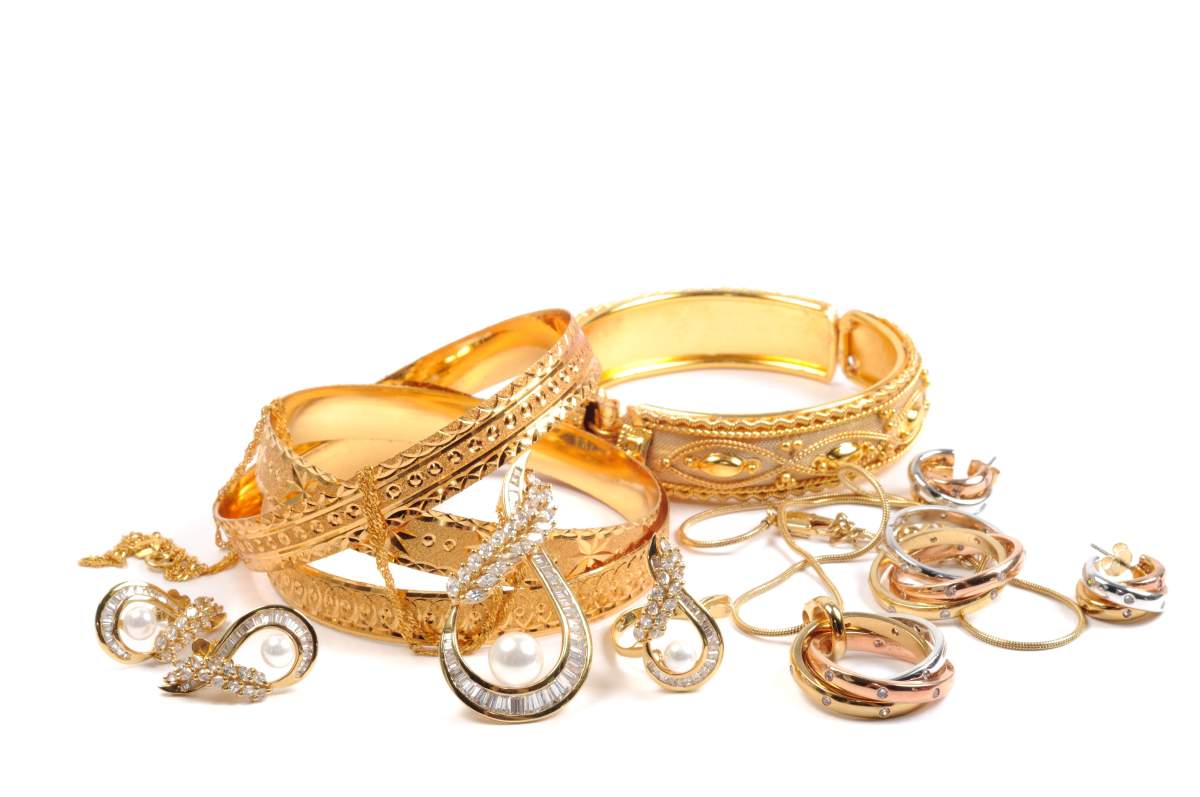
If wearing large earrings, consider choosing a simpler necklace. If a necklace is substantial, a delicate bracelet may be enough. Several rings can work well when they are distributed thoughtfully rather than stacked heavily on every finger.
A simple test is to look at the outfit from a short distance. If the jewelry is the first thing noticed and that was not the intention, remove one piece or replace it with something smaller.
For work, daytime errands, and community activities, understated jewelry is often practical. More dramatic combinations may be suitable for celebrations, evening events, or clothing with a simpler silhouette.
What jewelry works best with casual clothing?
Casual clothing usually benefits from jewelry that is comfortable, durable, and easy to coordinate. Small hoops, stud earrings, modest pendants, stackable bands, and slim bracelets can add polish without making everyday clothing feel formal.
For warm, humid weather, lightweight pieces may be more comfortable than large necklaces or tightly layered bracelets. Skin, sunscreen, perspiration, and moisture can affect how jewelry feels during outdoor activities. Pieces with secure closures are especially useful when walking, gardening, attending outdoor events, or moving frequently throughout the day.
Casual clothing does not require plain jewelry. A colorful stone, textured metal, or distinctive ring can add personality while remaining practical if the rest of the outfit is uncomplicated.
What are common jewelry-matching mistakes?
Several styling choices can make an outfit feel less balanced:
- Matching everything too precisely: Jewelry, shoes, handbag, and clothing do not need to be identical in color.
- Ignoring scale: Very delicate jewelry may disappear beside heavy fabric, while oversized pieces may overwhelm a lightweight outfit.
- Forgetting comfort: A beautiful piece is not useful if it catches on clothing, feels too heavy, or becomes irritating during wear.
- Combining too many focal points: Large earrings, a bold necklace, stacked bangles, and multiple statement rings may compete.
- Overlooking the metal details on clothing: Zippers, buckles, buttons, and belt hardware can provide helpful coordination clues.
- Wearing delicate pieces for demanding activities: Fine chains and fragile settings may not be suitable for exercise, yardwork, swimming, or hands-on tasks.
Jewelry should support the way an outfit will actually be worn, not just how it appears in a mirror.
How should jewelry be chosen for special occasions?
Special-event jewelry should reflect the formality of the clothing, the setting, and the amount of movement involved. Formal clothing may support more refined stones, coordinated metalwork, or a single noticeable centerpiece. A simple dress or suit can carry a stronger necklace or earrings, while highly embellished clothing may call for quiet, polished pieces.
Consider practical details before leaving home:
- Will the jewelry catch on lace, knitwear, or hair?
- Are earrings comfortable for several hours?
- Does the necklace stay in place while sitting and moving?
- Will the metal or stone color work under indoor and outdoor lighting?
- Is the piece secure enough for dancing, travel, or frequent activity?
These questions help prevent a styling choice from becoming uncomfortable later.
How can jewelry coordinate with seasonal clothing?
Seasonal clothing changes can affect both appearance and comfort. Lightweight summer fabrics often pair well with smaller earrings, short necklaces, and pieces that do not feel heavy against the skin. Sweaters, jackets, and layered clothing can support longer pendants, larger earrings, and rings that remain visible.
In humid conditions, jewelry should be stored dry and wiped gently after wear to remove moisture, lotion, or perspiration. During colder months, check that necklaces and bracelets do not snag on textured knits or scarves.
The strongest outfit combinations usually have one clear focal point, supporting pieces that repeat a color or shape, and enough simplicity for each item to be appreciated.