

 See My Latest Article on HelloNation
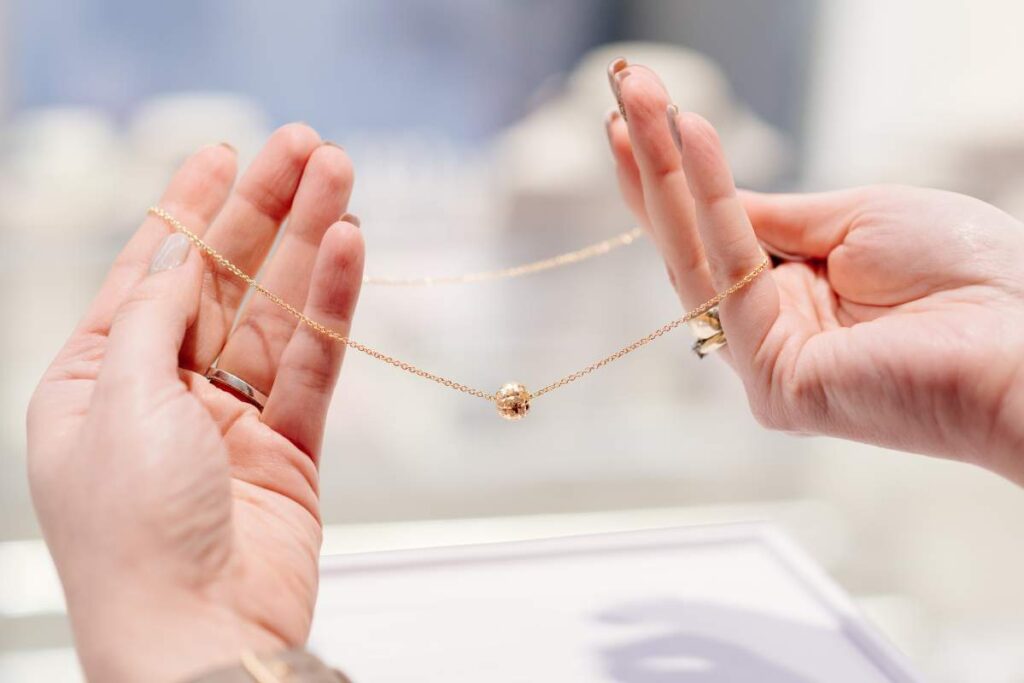
What jewelry is safest for sensitive skin?
The safest jewelry for sensitive skin is usually made from nickel-free, low-irritation materials such as platinum, titanium, niobium, or high-karat yellow gold. Pure sterling silver may also work well for many people, but individual reactions vary.
“Sensitive skin” can describe several different problems. Some people develop an allergic reaction to nickel or another metal. Others experience irritation from sweat, friction, soap, cosmetics, or moisture trapped beneath a ring or bracelet. Choosing the right material helps, but proper wear and cleaning habits matter too.
For residents of Millsboro, DE, warm, humid weather can make jewelry irritation more noticeable. Sweat and sunscreen may remain against the skin under rings, necklaces, watchbands, and earrings, increasing friction and making a mild reaction feel worse.
Why does jewelry cause itching or a rash?
Jewelry-related rashes are often caused by allergic contact dermatitis, an immune reaction to a metal that touches the skin. Nickel is the most common jewelry-related trigger, especially in earrings, clasps, watchbacks, costume jewelry, and some white-gold alloys.
Symptoms may include:
- Itching or burning
- Redness and swelling
- Dry, scaly, or cracked skin
- Small bumps or blisters
- Darkening or thickening of the skin after repeated reactions
- Tenderness around a piercing
A rash does not always mean a person is allergic to the main visible metal. A gold-colored piece may contain nickel, copper, or another alloy beneath the surface. Plated jewelry can also become irritating when the outer coating wears away.
Irritation may occur without a true allergy. A ring that is too tight, soap left beneath a band, or moisture trapped around an earring can cause redness even when the metal itself is not the problem.
Which metals are usually best?
Platinum
Platinum is one of the most reliable choices for people who react to common jewelry alloys. Jewelry-grade platinum is naturally resistant to corrosion and is generally made without nickel. It is especially useful for rings, earrings, and pieces worn for long periods.
Titanium
Titanium is lightweight, durable, and often well tolerated by people with metal sensitivities. It is commonly used for earrings, body jewelry, watch components, and contemporary rings. Buyers should still confirm the exact material rather than relying only on a general “hypoallergenic” label.
Niobium
Niobium is another metal frequently used for sensitive ears and body jewelry. It is lightweight and can be colored through controlled surface treatments. Solid niobium is generally considered a lower-risk option for people who cannot tolerate nickel.
High-karat yellow gold
Gold becomes more concentrated as the karat number rises. Eighteen-karat, 22-karat, and 24-karat yellow gold contain more gold than 10-karat or 14-karat alloys and may be easier for some sensitive-skin wearers to tolerate.
However, karat alone does not guarantee that a piece will be safe. Lower-karat gold contains more additional metals, and some white-gold formulas have historically used nickel. Ask what metals are included in the alloy, especially if a previous reaction has been severe.
Sterling silver
Sterling silver can be comfortable for many people, but it is not completely pure silver. It usually contains a small amount of another metal to improve strength. Look for clearly identified, solid sterling silver rather than silver-colored or silver-plated material.
Surgical-grade stainless steel
Some people with mild sensitivity can wear high-quality surgical-grade stainless steel without difficulty. It may contain nickel, however, so it is not a dependable choice for everyone with a confirmed nickel allergy. Titanium or platinum is often a more cautious option for highly reactive skin.
Which jewelry should sensitive-skin wearers approach carefully?
Costume jewelry, inexpensive plated pieces, and unidentified metal alloys are more difficult to evaluate because the exact composition may not be disclosed. Avoid assuming that a piece is safe because it is labeled “hypoallergenic.” That term does not have one universal metal standard.
White gold deserves special attention. Its color comes from alloying gold with other metals, and the formula differs by manufacturer and karat. Some white-gold pieces use palladium, while others may include nickel.
Gold plating can help temporarily by placing a barrier between the skin and the base metal. That protection may fade on areas that rub against the body, such as ring undersides, earring posts, bracelet edges, and necklace clasps.

Rhodium plating on white gold can also wear down with time. If a reaction begins after months or years of comfortable wear, the problem may be exposed underlying metal rather than a change in the wearer’s skin.
How can jewelry be worn more comfortably in warm weather?
Humidity, perspiration, sunscreen, and frequent handwashing can all affect comfort. These habits can reduce irritation:
- Remove rings before bathing, swimming, exercising, or applying lotion.
- Dry carefully beneath rings, watchbacks, and bracelet edges.
- Clean jewelry regularly using a method appropriate for its metal and gemstones.
- Avoid wearing jewelry over broken, freshly shaved, or already irritated skin.
- Give earlobes and other pierced areas occasional breaks from earrings.
- Keep necklaces and bracelets clean so salt, body oils, and cosmetic residue do not accumulate.
- Choose watchbands made from materials that do not trap moisture against the wrist.
A ring that becomes tight during hot weather should be removed promptly. Swelling can make the piece difficult to take off and may worsen pressure-related irritation.
How should someone test a piece before wearing it?
A cautious approach is to wear a new item for a short period while monitoring the skin. Start with limited contact rather than wearing unfamiliar jewelry overnight or throughout a full day in hot weather.
Do not deliberately place questionable metal into a fresh piercing or onto broken skin. A reaction in a piercing can be difficult to distinguish from infection, and damaged skin is more vulnerable to irritation.
If a product is advertised as nickel-free, look for specific material information rather than a vague claim. Ask whether the posts, backs, clasps, chains, and interior surfaces are made from the same material as the visible portion.
What should someone do after a jewelry reaction?
Remove the jewelry and gently wash the area with mild soap and water. Avoid putting the piece back on until the skin has fully settled. A fragrance-free moisturizer may help protect dry skin, while cool, damp compresses can reduce discomfort.
Do not keep testing the same jewelry on an active rash. Repeated exposure can prolong the reaction and make future episodes more severe.
Medical evaluation is appropriate when the rash is spreading, blistering, painful, infected-looking, or repeatedly returning. Patch testing can identify nickel, cobalt, fragrance ingredients, and other substances that may be responsible. A persistent reaction to several different metals may mean the trigger is not the jewelry alone.
The most useful long-term strategy is to identify the specific allergen, choose a clearly documented metal, and keep jewelry clean and dry—especially during the hot, humid portions of the year in Millsboro.