
 See My Latest Article on HelloNation
A gemstone can look convincing and still be glass, plastic, synthetic material, or a treated stone. For residents of Millsboro, DE, the safest approach is to combine simple observations with caution about what home tests can—and cannot—prove.
What does “fake gemstone” actually mean?
A “fake” gemstone may fall into several different categories:
- Imitation: A material that resembles another gem, such as colored glass made to look like ruby.
- Synthetic gemstone: A laboratory-grown stone with essentially the same chemical and physical properties as a natural gemstone. It is not the same as a natural stone, but it is not simply glass.
- Treated gemstone: A genuine stone that has been heated, dyed, filled, coated, or otherwise altered to improve its appearance.
- Misidentified gemstone: A real mineral that has been labeled as a more valuable or rarer gem.
These differences affect value, care, and disclosure. A synthetic sapphire, for example, is still sapphire in composition, while a glass imitation is not.
Can a gemstone be checked at home?
Yes, basic observations can reveal warning signs, but no simple home test can reliably confirm a stone’s identity or natural origin. Household tests are best used for screening, not certification.
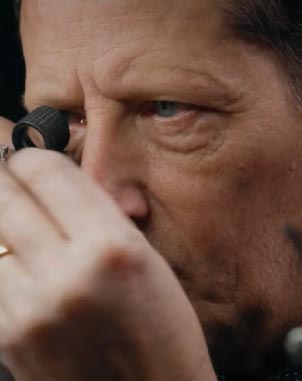
Start by examining the stone under a bright light with a clean 10x loupe or magnifying glass. Look for:
- Round air bubbles inside the stone, which can indicate glass
- Mold-like seams or curved flow lines
- Uneven patches of color concentrated near cracks or edges
- Surface coating that appears scratched, chipped, or unusually thin
- Abrasion around facet edges
- Internal features that look overly uniform or artificial
Air bubbles are a useful warning sign, but their absence does not prove that a stone is genuine. Some imitations contain no obvious bubbles, and many natural gemstones have inclusions that are difficult to interpret without training.
What can a loupe reveal?
Magnification is especially useful for spotting construction clues. Natural gemstones often contain internal characteristics, but genuine inclusions usually do not look exactly alike from one stone to another.
Under magnification, watch for:
- Curved lines: These may suggest glass or another manufactured material.
- Gas bubbles: Small, rounded bubbles are commonly associated with glass imitations.
- Color pooling: Dye may collect in fractures, drill holes, or along the stone’s edges.
- Joined pieces: A doublet or triplet may show a visible boundary between layers.
- Surface wear: Soft imitations may scratch or dull more quickly than the gem they imitate.
A clean-looking stone is not automatically fake. Some natural stones are unusually clear, and laboratory-grown gems can also have excellent clarity. Appearance alone cannot establish origin.
Does a gemstone’s weight provide a clue?
Weight can provide a helpful comparison when the stone is being presented as a specific gem in a known size. Different materials have different densities, so two stones of the same dimensions may not weigh the same.
A stone that feels unexpectedly light may be plastic or a low-density imitation. A stone that feels unusually heavy may be made from a denser substitute. However, this method becomes unreliable when the mounting, setting, metal, or exact dimensions are unknown.
Weight should be treated as a clue rather than proof. A scale designed for jewelry can improve the comparison, but it still cannot distinguish every natural stone from every synthetic or treated one.
Are scratch tests safe or accurate?
Scratch tests are generally a poor choice for jewelry. They can permanently damage the gemstone, loosen a setting, or leave marks that reduce value.
The common idea that a harder object can scratch a softer one is scientifically valid, but applying that principle at home is risky. Hardness varies across different directions in some crystals, and many imitations are harder or softer than expected. A scratch test also cannot reliably distinguish a natural gemstone from a synthetic version of the same material.
Avoid using knives, files, sandpaper, glass, or household abrasives on a mounted or valuable stone.
Can temperature or breath tests identify a real gem?
Not reliably. Many people assume that a genuine gemstone will feel cold or clear a fog mark quickly after being breathed on. These observations may vary with room temperature, humidity, stone size, setting, and the material used for the imitation.
Diamond testers and thermal probes can also produce misleading results when used incorrectly or on certain gemstone types. Some instruments are designed only to separate diamond from common simulants, not to determine whether a colored stone is natural, synthetic, or treated.
A quick test may suggest that further examination is needed, but it should not be treated as a final answer.
What signs suggest a stone may be dyed or coated?
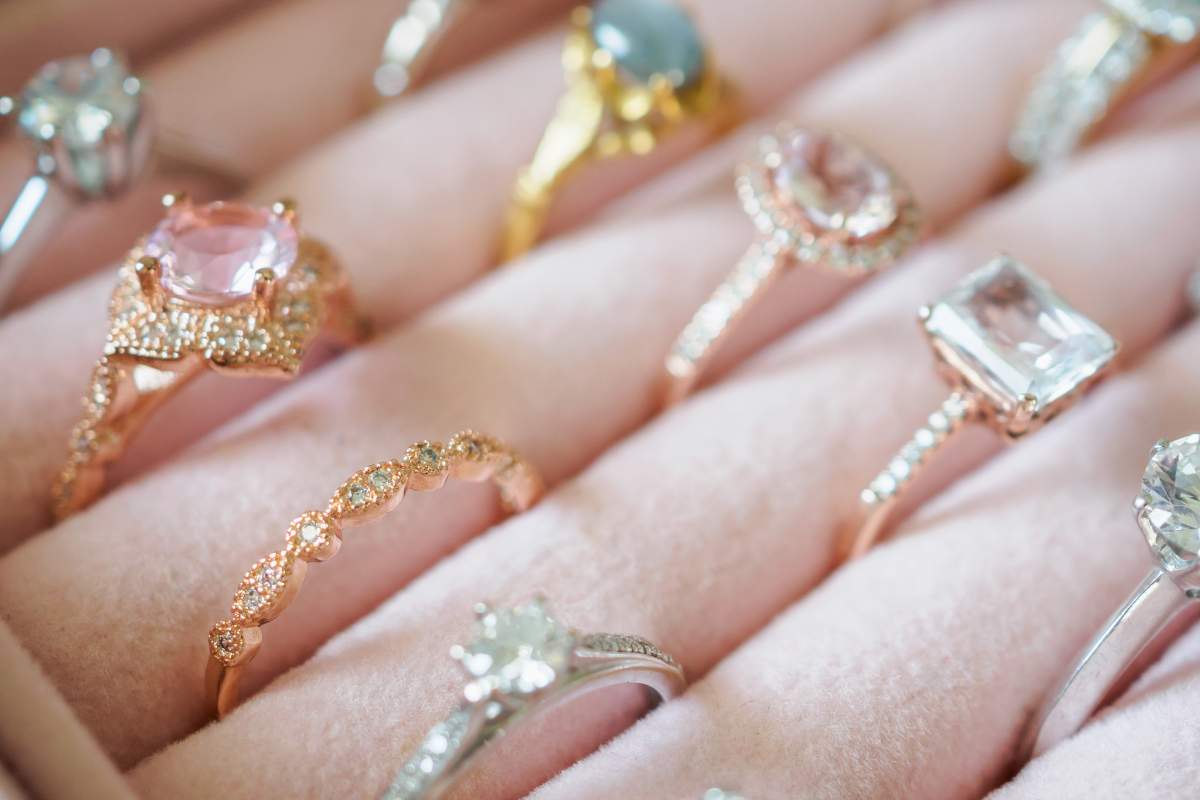
Color treatments are common and are not automatically a defect. The concern is whether the treatment has been properly represented and whether the stone requires special care.
Possible signs of dye or coating include:
- Color concentrated in fractures or along holes
- A surface color that looks unusually bright compared with the interior
- Fading, peeling, or scratches that reveal a different color underneath
- Matching stones with identical, unnatural-looking color patterns
- Color that appears stronger around the setting or at the stone’s edges
Porous materials are particularly likely to be dyed. Heat, cleaning chemicals, prolonged sunlight, and household products can affect some treated stones. A gemstone’s care instructions should account for treatments, not just the stone’s name.
How can a gemstone be checked without damaging it?
The safest non-destructive process is to document the stone and compare several clues:
- Photograph the gemstone in natural light and under magnification.
- Record its dimensions and approximate weight without removing it from the setting.
- Examine the color, transparency, facet symmetry, and visible inclusions.
- Look for seams, bubbles, coatings, and unusual wear.
- Review any original paperwork, but do not assume a label alone proves identity.
- Compare the stone’s description with its appearance and care requirements.
For inherited jewelry or a significant purchase, an independent gemological examination may be necessary. This is especially true when the stone is represented as a natural diamond, ruby, sapphire, emerald, alexandrite, or another high-value gem. Professional testing may include refractive measurements, spectroscopy, microscopy, and checks for treatments or laboratory growth.
Why should local conditions affect gemstone care?
Millsboro’s humid coastal plain environment, seasonal temperature changes, and everyday exposure to sunscreen, perspiration, sand, and household cleaners can affect jewelry over time. Moisture can collect behind stones and in settings, while fine grit may scratch softer materials or wear against prongs.
Keep gemstone jewelry away from bleach, chlorine, harsh detergents, and sudden heat unless the stone’s treatment and care requirements are known. Store pieces separately in soft compartments, especially if one item may scratch another.
A stone that becomes cloudy, loose, discolored, or noticeably different from when it was purchased should be set aside until its condition is understood.
What is the most reliable way to confirm a gemstone?
The most reliable answer comes from a qualified gemological report that identifies the material and, when possible, states whether it is natural, laboratory-grown, or treated. A report is more useful when it describes the stone specifically rather than simply repeating a seller’s description.
Home inspection can identify suspicious features, but it cannot consistently answer the questions that matter most: what the stone is, where it came from in geological terms, whether it has been treated, and how those factors affect value and care.
The practical rule is simple: use a loupe and careful observation to find warning signs, avoid damaging tests, and treat expensive or sentimental jewelry as something that deserves non-destructive verification.