
 See My Latest Article on HelloNation
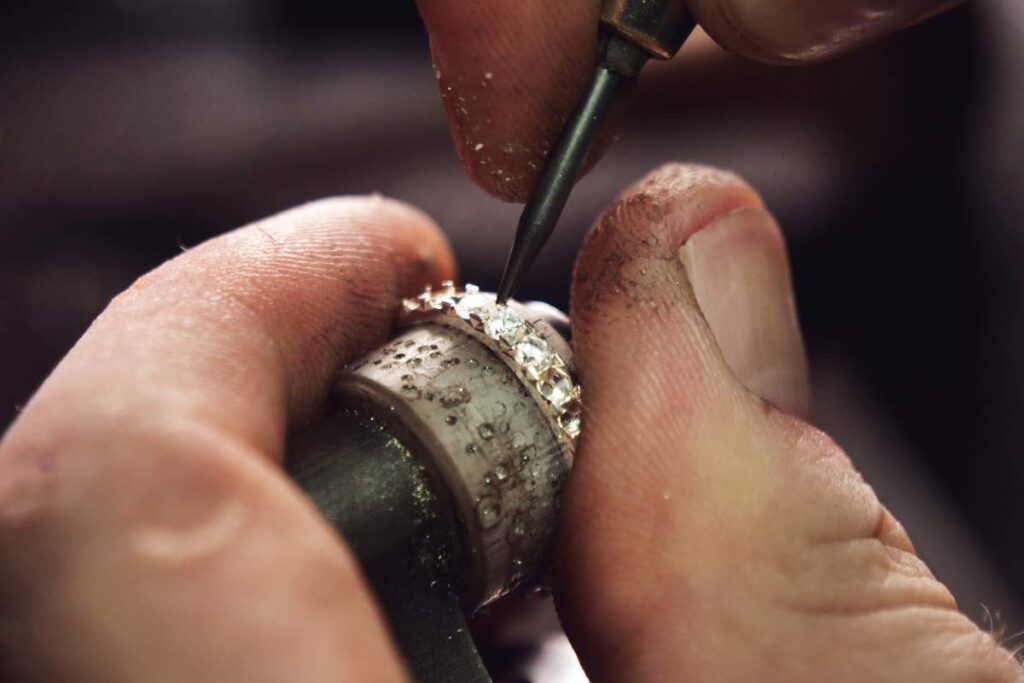
Old jewelry does not have to remain in its original form to preserve its meaning. A dated ring, broken chain, mismatched earrings, or inherited gemstone may be redesigned into a piece that fits modern preferences while retaining much of its personal history.
For residents in Millsboro, repurposing can also be practical. Jewelry passed through a family may contain valuable metal or stones, while the original design may no longer suit everyday wear, current sizing, or changing lifestyle needs.
What does repurposing old jewelry mean?
Repurposing old jewelry means using some or all of an existing piece to create a new design. The original item may be altered, taken apart, combined with other pieces, or used as a source of gemstones and precious metal.
Common examples include:
- Turning a traditional ring into a pendant
- Resetting a gemstone into a simpler ring
- Combining stones from several family pieces into one design
- Converting earrings into a matched pendant and pair of studs
- Reworking a broken chain into a charm bracelet
- Using gold from an unworn piece in a new band or decorative element
Repurposing is different from simply repairing jewelry. Repair restores the original design, while repurposing changes its function, appearance, or structure.
Which types of old jewelry can be redesigned?
Many types of jewelry can be redesigned, but the condition and construction of each piece determine what is realistically possible. Gold, platinum, and some other precious metals are often suitable for reuse. Gemstones may also be reset if they are structurally sound.
Potentially adaptable items include:
- Inherited rings with outdated settings
- Single earrings or unmatched earrings
- Broken necklaces with usable pendants or beads
- Bracelets with damaged clasps or stretched links
- Costume pieces containing sentimental elements
- Loose stones removed from damaged settings
- Old wedding or anniversary jewelry that is no longer worn
Not every component can be reused. Thin metal may be too worn, stones may have hidden chips, and older settings may contain solder, coatings, or mixed metals that affect the final result. An assessment should separate sentimental value, material value, and design value before any changes are made.
Can valuable gemstones be reused safely?
Usually, but the gemstone should be examined before it is removed or placed into a new setting. Diamonds and many colored stones can withstand normal wear, yet they are not indestructible. Emeralds, opals, pearls, and some treated or porous stones require more careful handling than durable stones such as sapphire or diamond.
A gemstone inspection may consider:
- Cracks, chips, abrasions, and worn edges
- Previous repairs or fractures
- Whether the stone has been treated
- The thickness of the stone and its ability to fit a new setting
- Whether prongs or other mounting features can hold it securely
- Whether the stone’s shape limits the available design choices
A stone that looks sound from above may have damage along its underside or around its girdle. Removing it from an old setting can also reveal weaknesses that were not visible while it was mounted.
Is it better to reuse the original metal or start with new metal?
That depends on the design and the condition of the old material. Reusing the original metal can add emotional meaning and reduce the amount of new material needed. However, old metal is not always suitable for every new component.
Gold jewelry may contain different alloys, colors, and karat levels. Combining yellow, white, and rose gold can be intentional, but it should be planned rather than accidental. White gold may also require finishing or refinishing after fabrication. Platinum generally needs different handling from gold and should not be treated as interchangeable.
In some projects, the original metal is melted and refined before being used again. In others, the old piece is preserved as a visible part of the design. A new structure may be added when the original material is too thin, brittle, or incompatible with the desired shape.
How can an outdated design become more modern?
Modernization usually involves simplifying the form, improving wearability, or changing how the piece sits on the body. A large traditional ring might become a lower-profile pendant. A cluster of stones may be separated into several smaller pieces. A heavy bracelet may be redesigned with fewer decorative elements and a more secure closure.
Useful design questions include:
- Will the jewelry be worn every day or only on special occasions?
- Does the wearer prefer understated, geometric, vintage, or organic shapes?
- Should the original stones remain together?
- Is comfort more important than preserving every decorative detail?
- Does the new design need to coordinate with other jewelry?
- Will the piece be exposed to water, household work, gardening, or frequent travel?
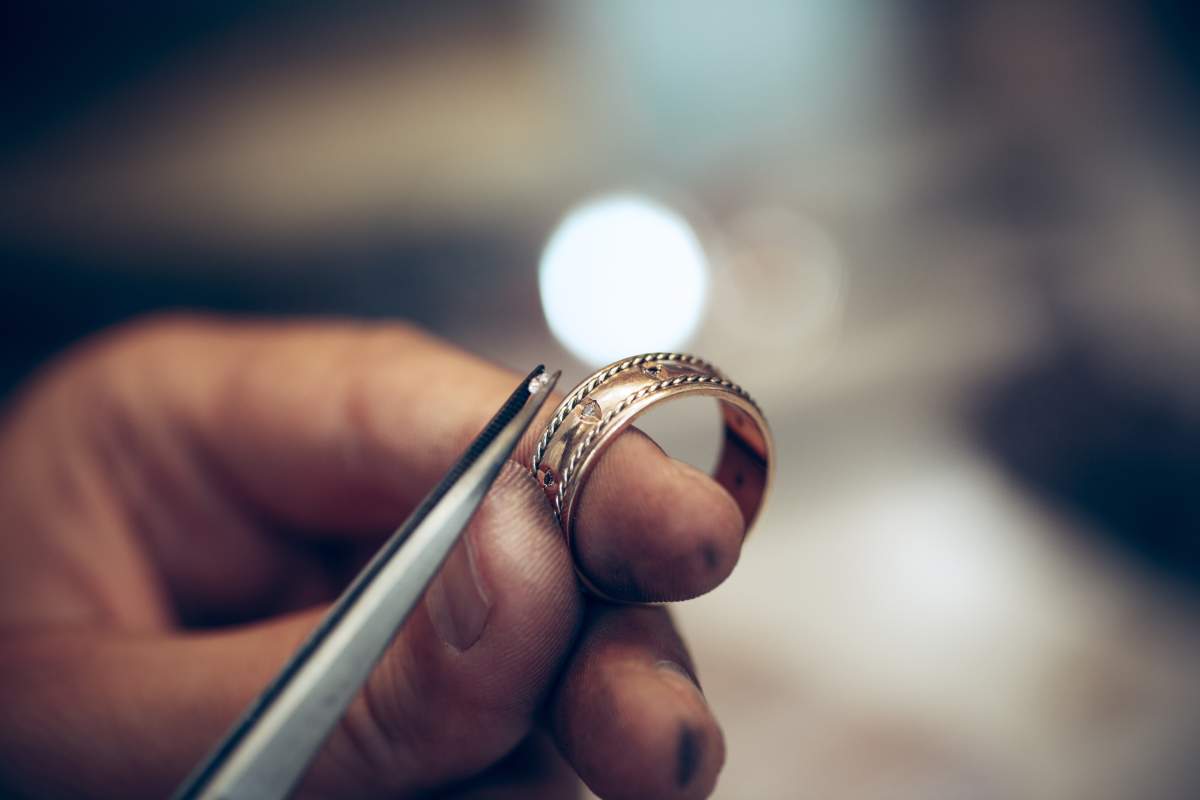
For an active household, a lower profile and fewer protruding details may be more practical than a tall setting. Warm, humid weather and frequent outdoor activities can also make secure closures, smooth surfaces, and easy cleaning especially useful.
What happens to jewelry with strong sentimental value?
Sentimental pieces should be documented before any alteration. Photographs, written notes, and a record of who owned the jewelry can preserve details that may otherwise be forgotten.
Some families prefer to keep one recognizable feature, such as an original gemstone, engraving, or distinctive texture. Others divide the materials among several relatives. A single ring might provide stones for multiple pendants, allowing more than one person to carry part of the family history.
If preserving the original form matters most, a partial redesign may be preferable. For example, the original setting could remain intact while a removable pendant or enhancer is created around it. This approach offers flexibility without permanently changing every part of the item.
How should old jewelry be evaluated before redesign?
Begin by gathering all related pieces, including loose stones, broken components, boxes, and old paperwork. Avoid cleaning fragile items aggressively before they are examined. Polishing can remove surface detail, and household chemicals may damage pearls, soft stones, or aged finishes.
Before approving a redesign, clarify:
- Which materials will be reused
- Which parts will be removed or replaced
- Whether stones may be altered to fit
- How much of the original appearance will remain
- Whether the finished piece will need special care
- What will happen to unused metal, stones, or fragments
It is also wise to keep valuable or sentimental items separate during sorting. Do not place loose stones in tissue or unlabeled containers where they can be lost. Small fabric pouches, pill organizers with secure lids, or clearly labeled compartments are safer temporary storage options.
What are common misconceptions about repurposing?
One misconception is that every part of an old piece can be reused exactly as it is. In practice, some metal may be lost during cutting, refining, or fabrication, and damaged stones may not be suitable for a new setting.
Another misconception is that redesign always costs less than buying a new piece. The final design may require skilled labor, new structural components, stone setting, finishing, or additional metal. The value of repurposing often comes from preserving personal history and materials rather than guaranteeing a lower price.
It is also a mistake to assume that an unattractive piece has no value. The design may be dated, but its gemstone, metal, engraving, or family connection may still make it worth preserving in a different form.
How should a redesigned piece be cared for?
Care depends on the metal, gemstone, and construction. Remove jewelry before swimming, cleaning, heavy lifting, or using yard equipment. Saltwater, chlorine, perspiration, household chemicals, and abrasive surfaces can affect finishes and settings.
Store redesigned jewelry individually so harder stones do not scratch softer materials. Pearls and porous gemstones generally need gentler care than diamonds or sapphires. Periodic inspection is sensible for pieces worn often, particularly if the design includes prongs, hinges, links, or a newly adapted setting.
Repurposing works best when the new design respects both the material and the story behind it. An old piece does not need to look old to remain connected to the person, occasion, or family tradition it represents.